16 Oct 2026
Shifting Regulatory Landscapes and Their Influence on Worldwide Casino Rating Protocols

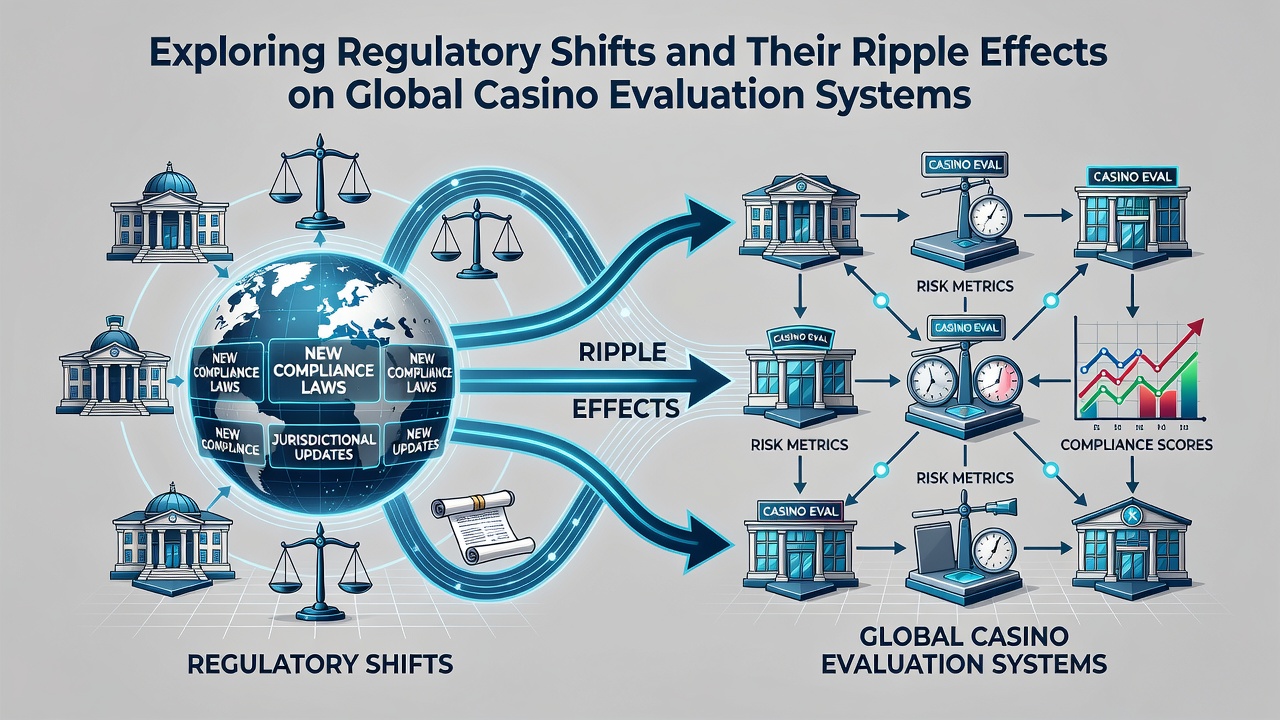
Regulatory frameworks across multiple jurisdictions continue to evolve, and these adjustments directly alter the criteria used in global casino evaluation systems; data from licensing bodies shows that new compliance standards often require rating agencies to incorporate additional metrics related to player protection, financial transparency, and operational integrity. Observers note that when rules change in one region, evaluation protocols frequently adapt to maintain consistency across international assessments, and this process creates measurable shifts in how operators receive scores for licensing status, game fairness, and responsible gaming measures.
North American Updates Drive Metric Revisions
In the United States, several state-level agencies have introduced stricter reporting requirements for online platforms, and these modifications compel evaluation systems to track real-time compliance data rather than relying solely on periodic audits. Pennsylvania's gaming control board, for instance, expanded its oversight protocols in recent years, prompting rating organizations to add variables that monitor transaction monitoring and anti-money laundering procedures with greater frequency. Canadian provinces such as Ontario have implemented centralized registration systems, and researchers at the International Gaming Institute have documented how these centralized approaches influence the weighting of security certifications within global rating models.
Those who analyze evaluation outputs observe that North American changes tend to elevate the importance of data security scores, and this emphasis appears in revised rating methodologies applied to operators seeking cross-border approvals. Figures from regulatory filings reveal that platforms adjusting to these standards often see adjustments in overall rankings within months of new rule implementation.
European and Asian Adjustments Create Cross-Border Effects
European authorities outside the United Kingdom have rolled out updated consumer protection directives, and these directives require evaluation systems to integrate new benchmarks for deposit limits and self-exclusion tools. Australian state regulators in New South Wales have similarly tightened advertising restrictions, which in turn affects how rating frameworks assess marketing compliance across international sites that target players from multiple regions. Industry reports from the European Gaming and Betting Association indicate that such regional shifts lead to standardized evaluation modules that can be applied uniformly, reducing discrepancies between different rating providers.
What's interesting is how Asian markets, particularly in jurisdictions like Singapore and Macau, have introduced enhanced responsible gaming audits, and these audits feed directly into global evaluation algorithms that now prioritize long-term player behavior data. One study revealed that operators failing to meet these heightened standards experience downgrades in international listings, while those adapting quickly maintain or improve their positions.
October 2026 Implementation Timeline and Expected Adjustments
Several regulatory bodies have scheduled phased rollouts for October 2026, and these timelines affect how evaluation systems prepare updated scoring rubrics in advance. Licensing authorities in select European and North American jurisdictions plan to enforce enhanced reporting on artificial intelligence use within game algorithms, and this requirement forces rating agencies to develop new verification processes that include algorithmic transparency checks. Data indicates that evaluation platforms already testing these forthcoming criteria report measurable differences in preliminary scores for operators with advanced compliance infrastructure.
Those who've studied previous implementation cycles note that advance preparation allows rating organizations to recalibrate weightings without disrupting existing rankings, yet sudden enforcement can trigger temporary volatility in published evaluations. Research indicates that operators who align systems ahead of the October 2026 deadlines tend to avoid downward adjustments once new rules activate.
Long-Term Ripple Effects on Evaluation Methodologies
Global casino evaluation systems have begun embedding predictive compliance indicators, and these indicators draw from aggregated regulatory data across borders. Academic papers from research institutions highlight how interconnected regulatory environments encourage the creation of shared databases that feed into rating calculations, and this integration reduces reliance on self-reported operator information. Evidence suggests that such interconnected approaches produce more stable evaluation outcomes over time, although initial transitions require substantial data harmonization efforts.
Rating agencies now routinely consult multiple government sources when updating protocols, and this practice ensures that shifts in one jurisdiction inform adjustments applied worldwide. The result appears in more granular scoring categories that separate basic licensing compliance from advanced operational safeguards.
Conclusion
Regulatory shifts continue to reshape the inputs and outputs of global casino evaluation systems through revised metrics, updated timelines, and cross-jurisdictional data sharing. Licensing records and industry analyses demonstrate that these changes propagate through rating frameworks in predictable patterns, and operators plus evaluators alike adjust processes accordingly. Continued monitoring of scheduled implementations, including those set for October 2026, provides ongoing insight into how evaluation protocols will evolve alongside regulatory developments in various regions.